How to Build Low Cortisol Aim in Valorant Like a Calm Phoenix Main
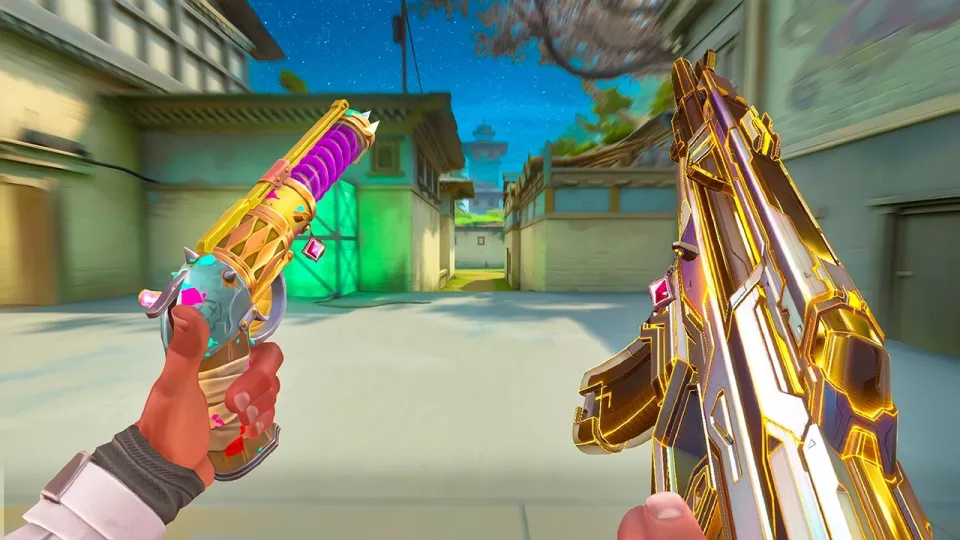
Video: low cortisol aim..
Want articles like this for your own video to promote it on YouTube and Google? Order them through the Telegram bot @sat_sit_bot. Articles with your video embedded are written and posted by the bot itself — on popular topical sites (no ads). Free trial — 50 articles.
· based on the channel Rawzu
Key takeaways
- Low cortisol aim means keeping the mouse hand relaxed and the crosshair still instead of flicking hard on every peek.
- Rawzu runs 400 DPI at 0.625 in-game sensitivity, a 1440x1080 stretched resolution and crosshair code 1-6-2-2.
- His gear: Logitech G Pro X Superlight 2, Artisan Zero Soft mousepad and a Zowie XL2566K 360Hz monitor.
- Phoenix pairs Curveball flashes with Blaze walls, so calm aim matters most after a flash entry, not during the dash.
- Higher refresh rate and a lighter mouse reduce the urge to over-correct, which is what makes aim look frantic.
Low cortisol aim in Valorant is the habit of keeping your hand, wrist and crosshair relaxed so that every shot is a small correction instead of a panic flick. It is built from three things: a sensitivity you can actually control, a mouse and pad combo light enough to stop with, and a pre-aim routine that puts the crosshair where the enemy will appear before you need speed. If you want the same starting point as the Rawzu Phoenix gameplay that popularized the phrase, set up your PC first through the Hone optimization link and then tune the rest around it.
The term itself is a joke with a real point behind it. Calm aim is not slow aim — it is aim where the player never has to fight their own muscles. The Rawzu video is a Phoenix montage built around that idea: clean one-taps, quiet movement, and crosshair placement that does most of the work before the shot happens.
What low cortisol aim actually means in Valorant
Low cortisol aim describes a playstyle where the player removes unnecessary tension from the aim process, so the crosshair moves only as far as the target requires. In practice it looks like short, controlled micro-adjustments, a still crosshair while walking, and no exaggerated flicks after a flash. The opposite — high-tension aim — shows up as overshooting, dragging the mouse past the head, and re-flicking to correct.
The idea borrows from the language of stress and performance: when you are tense, your grip tightens, your wrist stiffens and your tracking becomes jerky. Calm aim is the deliberate opposite. It does not require a special mouse or a low sensitivity, but both make it easier to reproduce.
The exact Valorant settings behind the calm aim look
Rawzu's setup is public and unusually specific, which makes it a useful reference point even if you do not copy it exactly. The combination below is built around control rather than raw speed.
- Sensitivity: 400 DPI with 0.625 in-game, which is a low effective sensitivity and rewards arm movement over wrist flicks.
- Resolution: 1440x1080, a stretched 4:3-style aspect that widens targets and slows perceived horizontal movement.
- Crosshair: 1-6-2-2, a compact dot-and-line setup that keeps the center of the screen readable.
- Mouse: Logitech G Pro X Superlight 2, a lightweight wireless shape that stops quickly.
- Mousepad: Artisan Zero Soft, a control-oriented cloth pad with moderate stopping power.
- Monitor: Zowie XL2566K at 360Hz, which reduces motion blur and makes small corrections easier to read.
None of these values are magic. The point is that each one lowers the amount of correction you need after the first movement, and that is the mechanical core of calm aim.
How to train calm aim step by step
The training method matters more than the gear list, because calm aim is a behavior you repeat until it becomes default. Work through these steps in order and keep each session short.
- Fix your grip. Hold the mouse with fingers loose enough that someone could slide a sheet of paper under your palm. A death grip is the first thing that turns a controlled spray into a shake.
- Lower your sensitivity until a full mousepad swipe turns you roughly 180 degrees in game. Rawzu's 400 DPI at 0.625 is a good benchmark for that range.
- Pre-aim before you peek. Place the crosshair at head height on the angle you are about to clear, then strafe out with the crosshair already in place.
- Practice stopping. In the range, strafe left and right and fire only when your character is fully stopped. Moving accuracy in Valorant punishes shots taken mid-strafe.
- Use short deathmatch sessions with one rule: no flick longer than a small wrist movement. If a target requires a big swipe, you were pre-aimed wrong.
- Cool down between rounds. Deliberately unclench your hand and take one slow breath before the next buy phase.
Phoenix-specific habits that keep aim steady
Phoenix rewards calm aim more than most duelists because his kit forces enemies to react to him rather than the other way around. Curveball flashes around corners, so the shot after the flash should be a pre-aimed hold, not a wild swing. Blaze walls block vision and let you cross open ground, which means you arrive at the fight with your crosshair already set.
Hot Hands and Run it Back make Phoenix durable, and that durability is a trap for tense players. Because the ultimate lets you re-enter a fight, it is tempting to rush and spray. The calm version is to use Run it Back to take an information-gathering duel, come back, and then hold the angle you just learned about. On a map like Icebox, where long sightlines and vertical angles punish wide swings, that discipline shows up in the scoreline.
Common questions from viewers of the Rawzu Phoenix clips
The comments under calm-aim montages tend to circle the same few doubts, and they are worth answering directly. One recurring theme is disbelief at how quickly a player appears on screen before the shot; the honest answer is that pre-aim and sound cues do most of that work, not reaction time. Another is the reaction to sudden loud moments in an otherwise quiet, ASMR-style edit — that is a stylistic choice in the video, not a gameplay mechanic.
A third theme is movement. Viewers often note that the strafing looks smoother than the aim itself, and that is the correct observation: in Valorant, counter-strafing and peeking discipline decide most duels before the mouse moves. A fourth is gear curiosity — people ask whether a 360Hz monitor or a specific mousepad is required. It is not, but each upgrade removes a small amount of visual noise or stopping error, and those small amounts add up.
Mistakes that make your aim look frantic
Most players who feel inconsistent are making one of a few fixable errors. The most common is playing on a sensitivity so high that a centimeter of mouse movement crosses the whole screen, which forces constant micro-corrections. The second is holding the mouse with a tight claw grip during tense rounds and a relaxed grip during warmup, which means the sensitivity you practiced is not the sensitivity you play with.
The third is peeking with the crosshair low and then lifting it to head height after the enemy appears. The fourth is firing while still moving, which adds spread on top of the correction. Fix the peek and the stop first; sensitivity changes come after, and only one variable at a time.
Useful links
Bringing the calm aim mindset together
Calm aim in Valorant is a repeatable setup plus a repeatable habit: a low, controllable sensitivity, a mouse and pad that stop when you stop, and a pre-aim routine that removes the need for hero flicks. Copy the numbers from the Rawzu Phoenix setup as a starting point, then adjust one value at a time until the crosshair feels like it belongs to your hand. The channel Rawzu built this breakdown around, and the montage format makes it easy to see how little movement a clean kill actually requires. Start with the Hone optimization link to remove stutter and frame drops, because a steady frame rate is the least glamorous part of steady aim.
Questions & answers
What sensitivity does Rawzu use in Valorant?
Rawzu plays at 400 DPI with 0.625 in-game sensitivity, which is a low effective sensitivity built for arm movement and controlled micro-adjustments. Combined with a 1440x1080 resolution, it makes horizontal movement feel slower and easier to stop.
Is low cortisol aim just a meme or a real technique?
It is a meme name for a real approach: keeping your grip loose, your crosshair pre-aimed and your corrections small. The label is humorous, but the underlying habits — stopping before you shoot and holding angles instead of flicking — are standard high-level Valorant fundamentals.
Do I need a 360Hz monitor or a Superlight 2 to aim calmly?
No. A high refresh rate monitor and a lightweight mouse reduce visual noise and stopping error, which helps, but they are not the cause of calm aim. Sensitivity, grip and pre-aim discipline matter far more than the hardware list.
Why does the Phoenix playstyle suit calm aim?
Phoenix's Curveball and Blaze let him control when and where the fight happens, so he can arrive pre-aimed instead of reacting. His durable kit, including Run it Back, rewards disciplined angle-holding over panicked spraying.
Source: low cortisol aim.. · Markdown version